
Mundane astrology, also known as political astrology, is the branch of astrology that turns its gaze from the individual to the collective. It studies how planetary movements influence nations, leaders, historical events, and global tides.
This isn’t about your personal birth chart. It’s about the celestial forces shaping the fate of cities, states, and entire civilizations.
Let’s unpack what that really means: how it works, where it comes from, and why it has long stood at the heart of astrology itself.
What Does “Mundane” Mean in Astrology?
In astrology, “mundane” doesn’t mean ordinary or dull, it comes from the Latin mundus, meaning world. So, mundane astrology is the astrology of the world itself. It focuses on collective bodies: countries, governments, corporations, weather systems, and societal movements. It observes the “quality of time” and how cosmic rhythms unfold across the global stage.
Because of its scope, mundane astrology is often considered the most ancient branch of the craft, born from humanity’s earliest attempts to understand the fate of kingdoms, not individuals. But let’s move from definition to practice and look at how it actually works.
How Mundane Astrology Works
Mundane astrology works much like natal astrology, but instead of casting charts for individuals, it casts them for nations, cities, major events, or institutions. These charts become symbolic maps, tools for interpreting the rhythms, challenges, and transformations of collective life.
The core building blocks are the same:
- Planets: Each planet embodies a specific archetypal force. Saturn speaks of structure and limits, Jupiter of expansion and belief (if you’d like to explore these meanings in depth, we have a dedicated page for each planet on Born Under Saturn).
- Signs: The zodiac signs describe how these planetary energies express themselves. From bold Aries to mystical Pisces, each sign colors the nature of cosmic influence. Not sure what they all mean? We’ve also broken those down, sign by sign, in our dedicated zodiac signs section.
- Houses: In mundane charts, the twelve houses represent different areas of public life, like government, economy, public health, and foreign affairs. Where a planet lands in the chart shapes where its energy will play out on a societal level.
- Aspects: These are the angles between planets that indicate dynamic relationships, just like in a natal chart, but with broader implications. A Mars–Saturn square might suggest political tension or authoritarian pressure. A Jupiter–Neptune conjunction could point to inflation or ideological confusion. Eclipses and slow-moving transits from outer planets are especially significant, often marking collective turning points.
In mundane astrology, the “birth” of a nation (such as the signing of a constitution or a declaration of independence) becomes the chart through which astrologers read the future of that entity. These charts don’t just reflect moments. They speak to the cycles of the world itself.

Globe, also identified as a sundial; from the peristyle E of the Villa of P. Fannius Synistor at Boscoreale.
Practical Examples of Mundane Astrology
Let’s bring mundane astrology down to Earth with a few practical examples, just to give shape to what it really looks like in action.
Take the United States, for instance. Just like individuals have birth charts, nations do too. The most widely used chart for the U.S. is cast for July 4, 1776, the date the Declaration of Independence was signed. This moment marks the symbolic “birth” of the nation, and astrologers read its chart to interpret everything from political shifts to national identity crises. That’s mundane astrology in motion: using planetary alignments to understand the pulse of an entire country.
But the roots of mundane astrology go much deeper. Look to ancient Rome: for the first two centuries of the Empire, there wasn’t a single emperor who didn’t consult the stars. Astrology wasn’t on the sidelines, it was seated at the table of power.
As suggested in History of Western Astrology, astrologers were often seen as the power “hidden” behind the throne. It was common practice for noble families to cast horoscopes at the birth of their children, especially those destined for influence. In Rome, reading the stars was a matter of state.
What Is the History of Mundane Astrology?
Here’s where it gets truly fascinating: for most of astrology’s history, mundane astrology came first.
As noted in History of Western Astrology: From Earliest Times to the Present by Kocku von Stuckrad, astrology was originally far more concerned with public affairs than private lives. The horoscope of a king wasn’t read to uncover his personality, it was studied because he symbolized the fate of his kingdom. Astrology offered insight into political shifts, economic trends, and environmental events.
In ancient times, mundane astrology was also used to forecast agricultural conditions, predicting rainfall, droughts, and harvests. While modern meteorology has taken over that role, echoes of this tradition survive in folk sayings, lunar planting guides, and biodynamic calendars that many still follow today.
The economic side of mundane astrology has also evolved. Ancient astrologers were asked to predict famines and the price of grain. Today, their modern counterparts analyze stock markets, financial cycles, and even corporate horoscopes, casting charts for a company’s founding date, comparing them with CEO natal charts, or studying planetary transits to forecast market shifts.
The language of the stars remains, only the questions have changed!
Why Mundane Astrology Matters
What Is the Utility of Mundane Astrology?
Mundane astrology helps us interpret the symbolic dynamics behind world events. It tunes into the collective frequency, revealing what truly matters in a given historical moment.
So, the utility of mundane astrology lies in its ability to offer symbolic insight into the patterns shaping collective life. While natal astrology helps individuals understand themselves, mundane astrology helps societies understand the forces influencing their shared reality.
In the past, mundane astrologers were tasked with reading the stars for signs of:
- Political upheavals
- Natural disasters
- Plagues or famines
- Economic rises and collapses
Today, the questions have shifted, but the method remains. Astrologers still use mundane techniques to explore:
- Electoral cycles and leadership shifts
- Global conflicts and diplomatic realignments
- Financial trends and market volatility
- Environmental crises and collective awakenings
At its core, mundane astrology doesn’t predict with certainty, it reflects. It reveals the energies at play in our shared reality, helping us better understand the tides we’re moving through.
To Conclude: A Note on Astrocartography
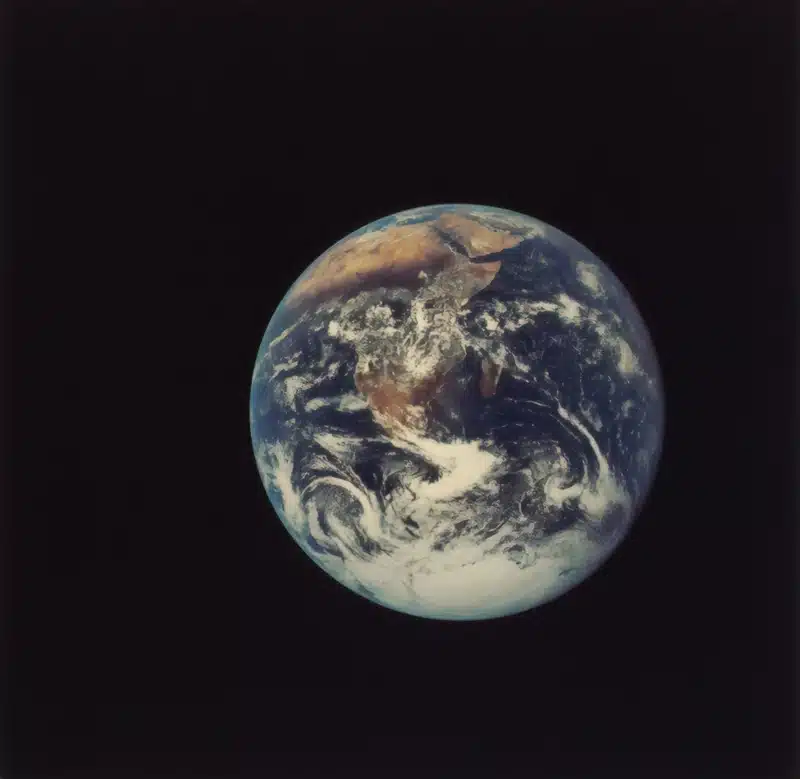
One of the more intricate, yet deeply fascinating, tools in mundane astrology is astrocartography. It maps where planets were rising, setting, culminating, or at the IC at a given moment in time, creating a kind of cosmic overlay across the Earth’s surface.
Think of astrocartography as a way to locate where certain planetary energies are most potent geographically. It helps astrologers understand why specific regions might become hotspots for upheaval, opportunity, or transformation, especially during powerful transits.
Want to dive deeper into astrocartography? In this article, we explore it more from a personal perspective, but the core principles still apply, and you’ll get a solid sense of how this celestial map works, both for individuals and for the world.
For quicker astro updates, cosmic insights, and a touch of symbolism in your feed, follow us on Instagram: @born_under_saturn_.